Lhasa and surroundings
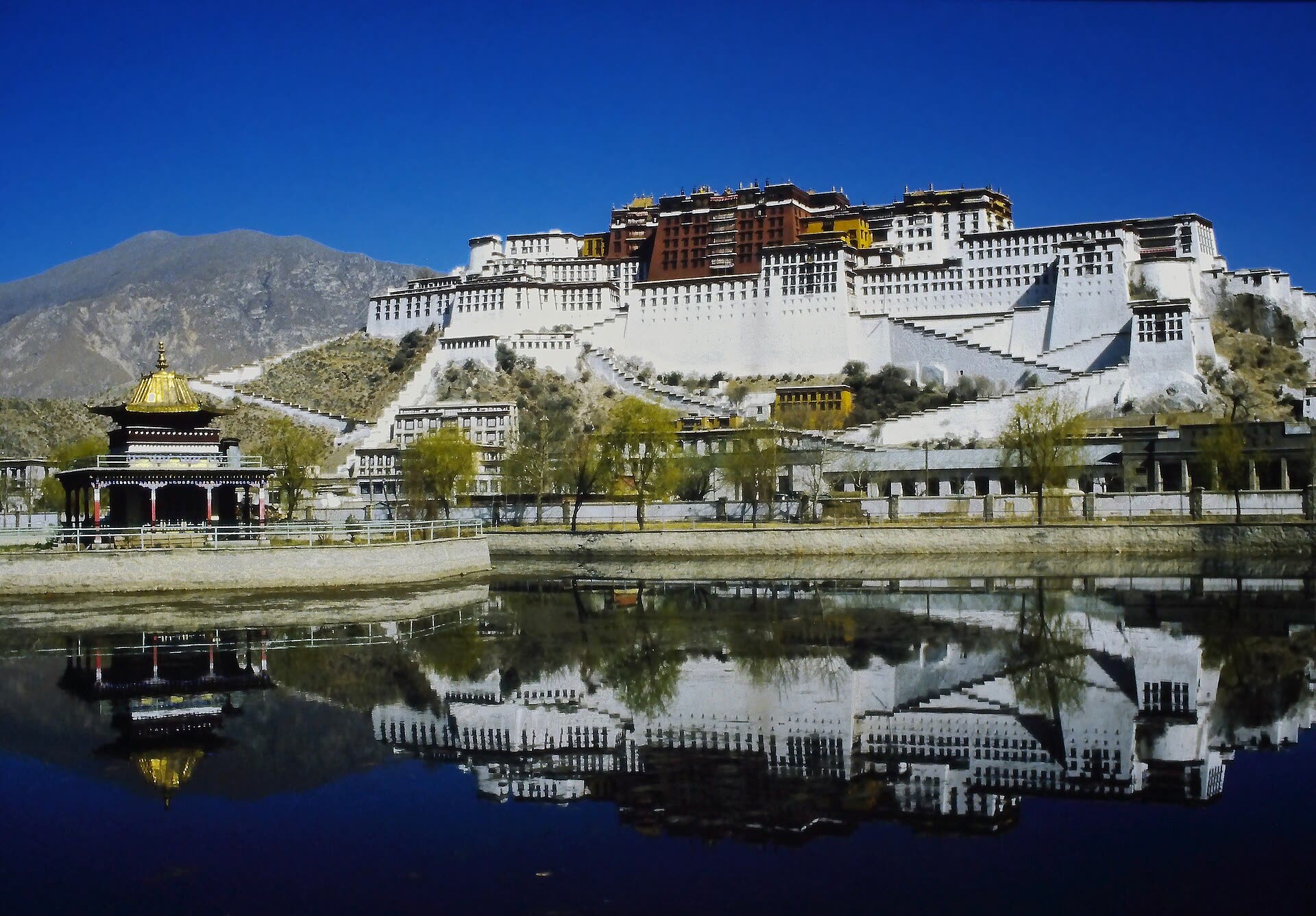
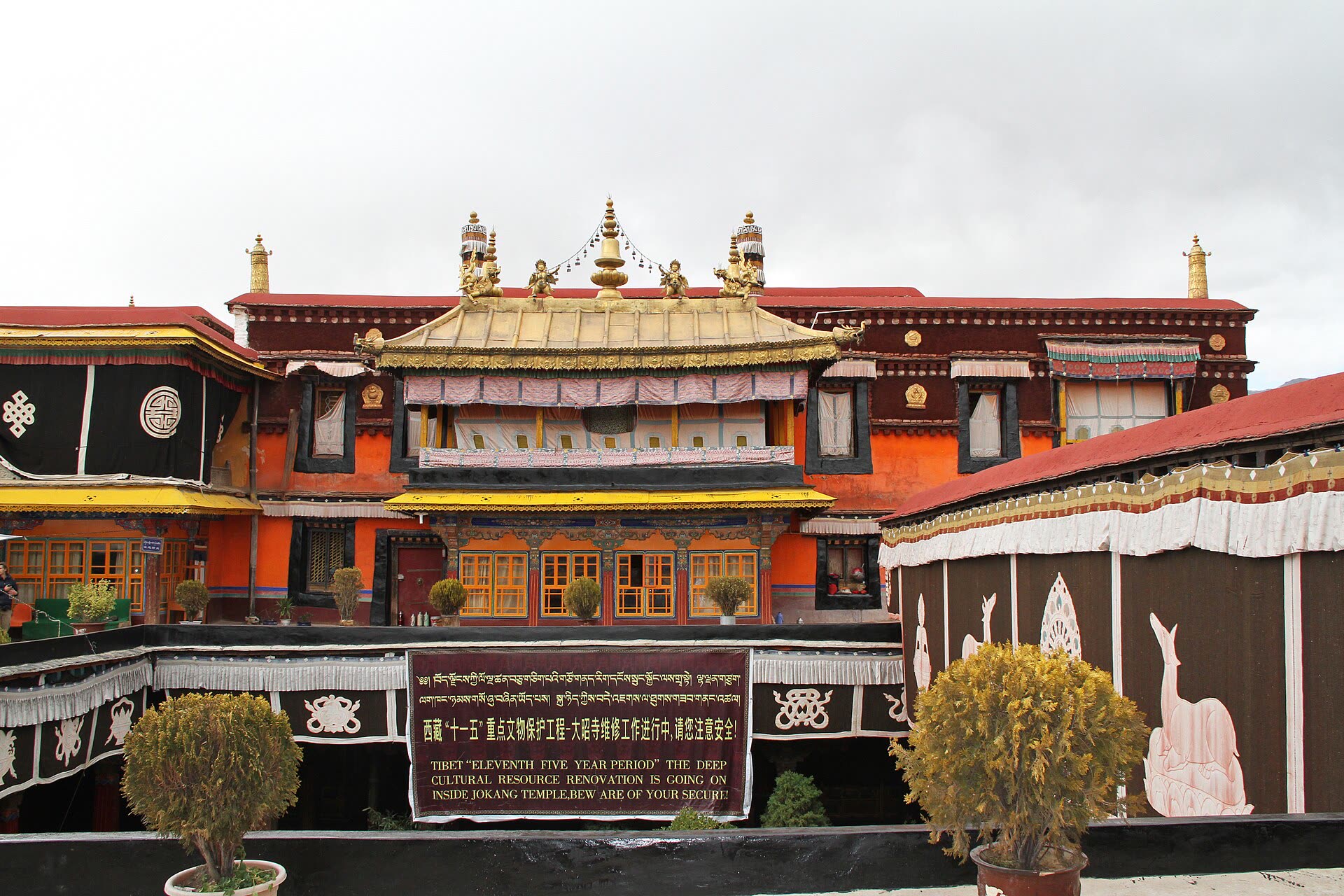
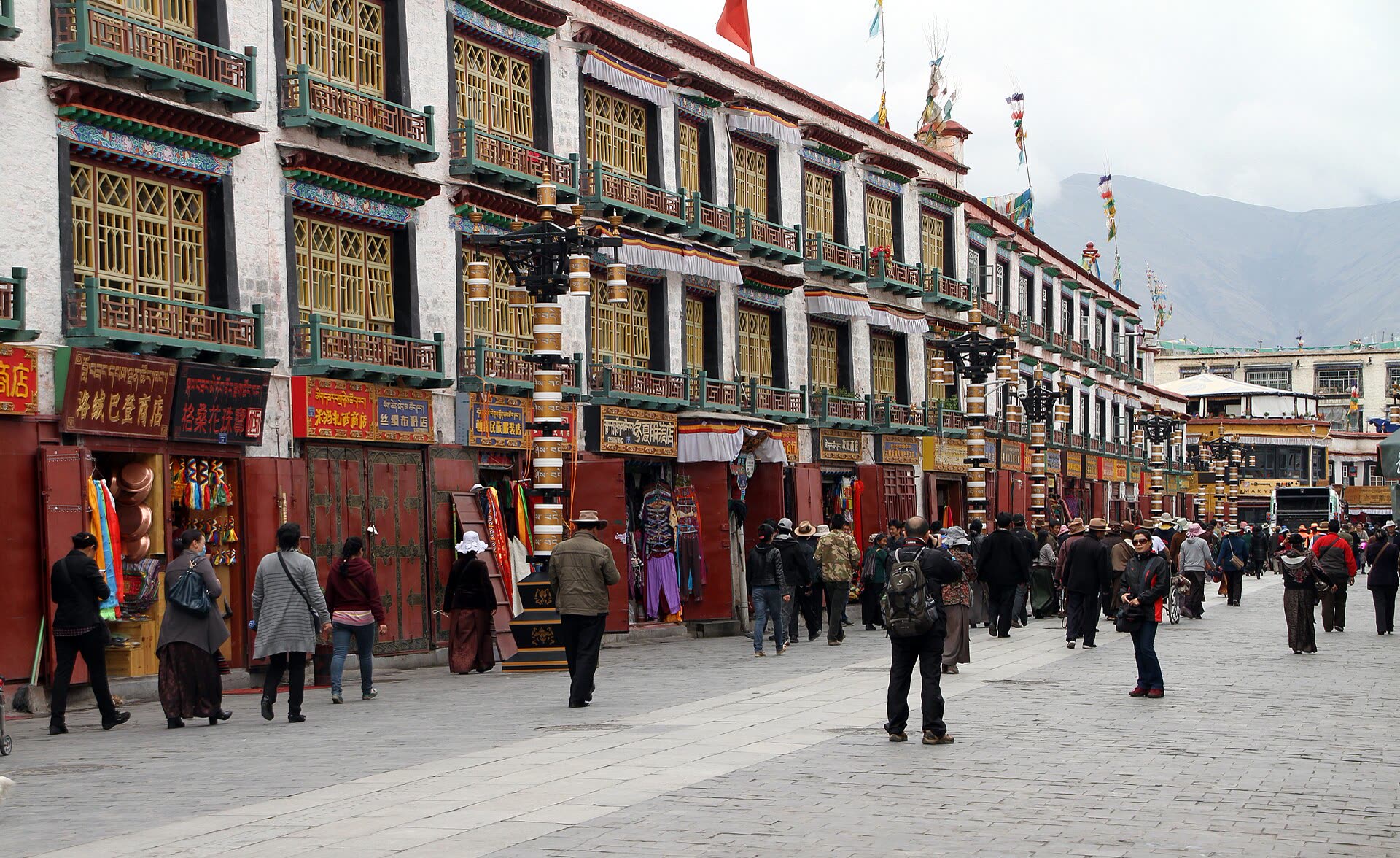
Lhasa is the first stop for most visitors, at about 3,650 m. The Potala Palace, Jokhang Temple and Barkhor Street are all in the city centre, which suits a two- to three-day stay: one day to acclimatise and see the city, one day for the Potala and Jokhang, and one day for Barkhor and nearby monasteries. Take the first day slowly and avoid strenuous activity.
Towards Shigatse
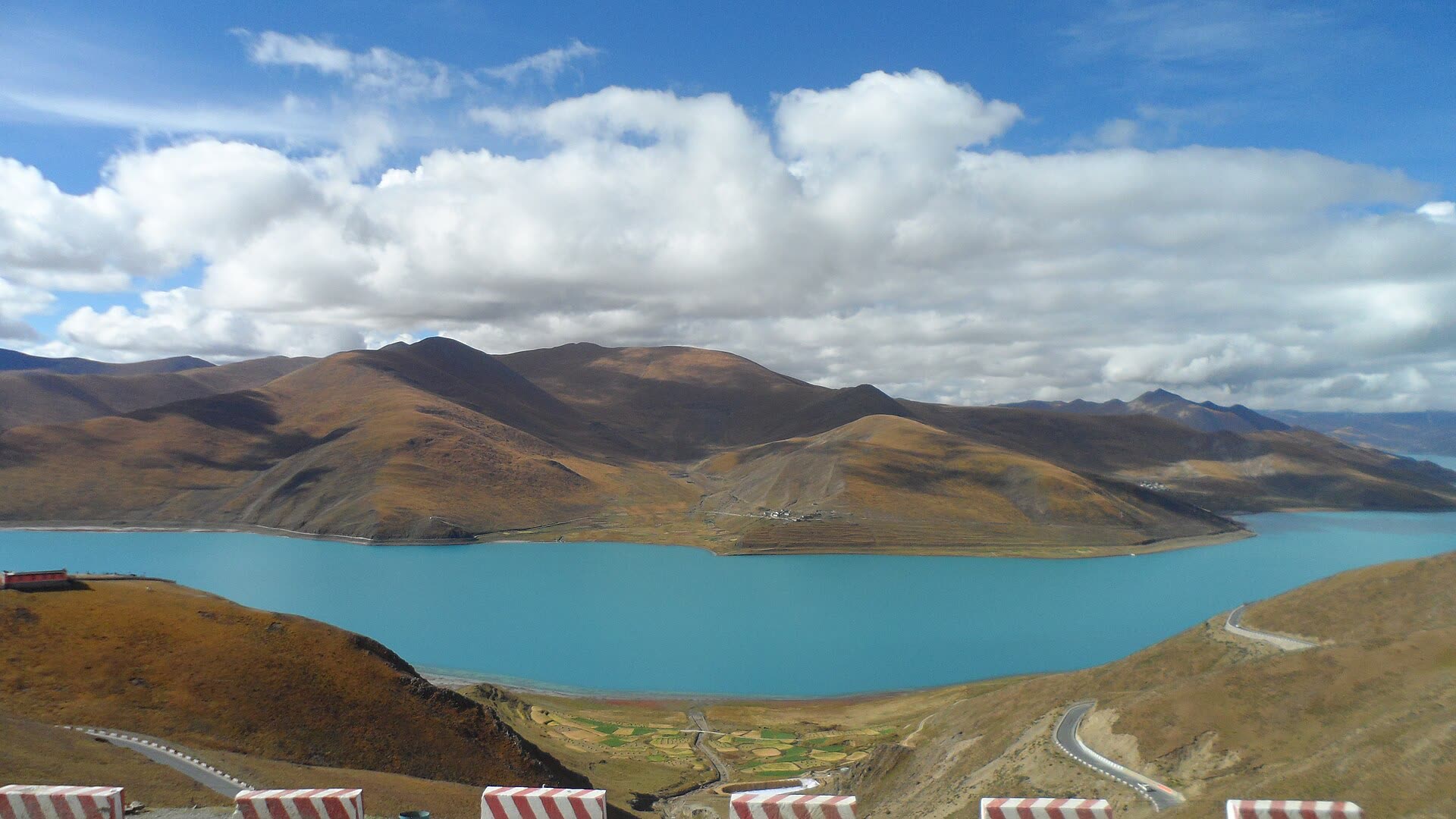
Heading west from Lhasa via Yamdrok Lake and Gyantse brings you to Shigatse, passing high-altitude lakes and glaciers; Tashilhunpo Monastery is the main sight. This direction usually takes three to four days, and continuing towards Everest requires a border pass.
Towards Nyingchi
East from Lhasa along the Sichuan–Tibet Highway lies Nyingchi, lower in altitude and heavily forested — often called the Jiangnan of Tibet. Basum Lake, the Yarlung Tsangpo Grand Canyon and Namcha Barwa are the usual highlights, over three to five days. Its lower elevation makes Nyingchi a good buffer after first arriving on the plateau.
Towards Namtso
Namtso lies north of Lhasa at about 4,700 m on the lake surface, usually a one- to two-day round trip. The lake area is high and the temperature swing between day and night is large; if staying overnight, take care with warmth and altitude sickness. Travellers with weaker heart or lung function should consider a same-day return or skip the overnight stay.
Routes and paperwork
Staying within Lhasa, Shigatse city and Nyingchi generally only needs the Tibet Travel Permit; heading to Everest, Ngari, Yadong or Zhangmu requires a border pass as well. When fixing the route, decide first whether border areas are involved so the paperwork can be arranged together.