Current park time · GMT+8 Wed, Oct 28, 2026, 12:40 Shown in the park’s local time (Beijing Time, GMT+8). Please confirm your visit date accordingly to avoid choosing the wrong date or time slot.
Announcements
The permit is usually declared together with your entry dates and route; submit once your plans are fixed and allow ample processing time.Foreign travellers need a Tibet Travel Permit to enter Tibet; the Everest, Ngari, Yadong and Zhangmu directions also require a border pass.During peak periods volumes are high and processing may take longer; for trips close to departure choose express and confirm acceptance in advance.

Home / Travel Guide / Tibet DIY travel: permits, health and packing

Tibet DIY travel: permits, health and packing

Guide details

Independent travelEntry formalitiesPackingCustoms 33 views 2026-10-28 08:53:47

Formalities first

Hong Kong and Macao travellers do not need an entry approval for Tibet; foreign travellers and Taiwan travellers do. Foreign travellers normally travel with an arranged itinerary and guide, and the permit is declared by the receiving service once passport and visa details are supplied ahead of time. Anyone heading to border areas such as Dingri, Zhangmu, Yadong, Medog or Ngari also needs a border pass.

Health and altitude

People with serious hypertension or heart disease should not travel to the plateau, and a bad cold should be cured before departure. Rest, light meals, plenty of water and no rushing in the first 48 hours avoid most problems.

What to pack

Layered clothing — long-sleeve shirts, a wool sweater, a jacket — plus sunglasses, a sun hat, sunscreen, lip balm, and a down jacket and sleeping bag if you are heading for Everest. A small torch, wet wipes and personal medicine are useful; cash is still handy outside Lhasa.

On the road

Distances are long and meals can be late, so carry snacks. Guesthouses outside the main towns are basic; hot water is not guaranteed. Weather can close mountain passes, so keep a spare day in the plan.

Local customs

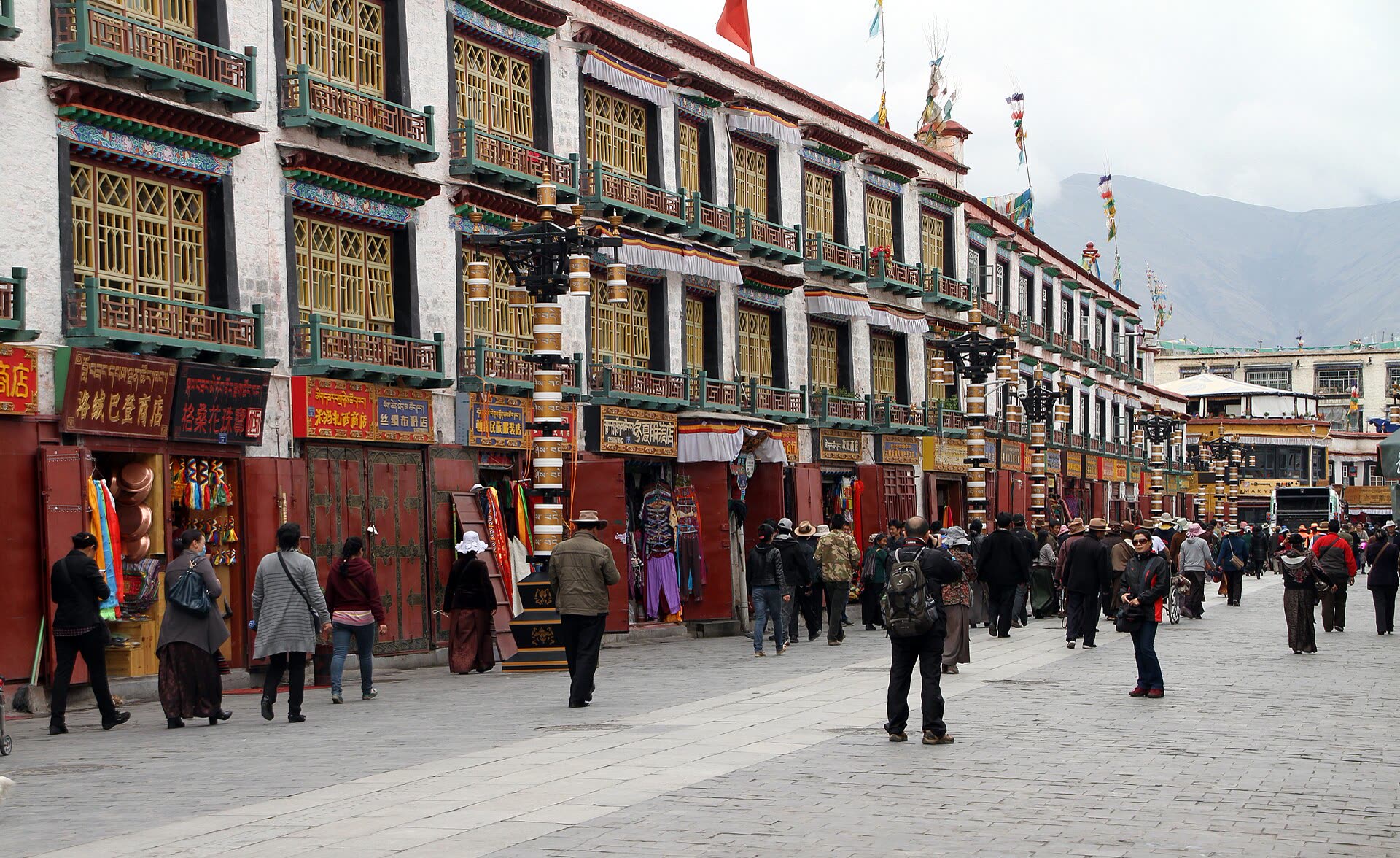
Respect local religious practice: walk clockwise around monasteries and stupas, ask before photographing people or ceremonies, and do not touch religious objects without permission.
Related Guides

← Previous: First time in Tibet: altitude sickness and how to handle it Next: Off-season Tibet: ticket prices, weather and what to expect →
Apply Now More Guides

Related Tickets

FAQ

What should I pack for Tibet?
Bring layered clothing such as long-sleeve shirts, a wool sweater and a jacket, plus sunglasses, a sun hat, sunscreen and lip balm; for the Everest direction add a down jacket and a sleeping bag. Common medicines, cold and stomach remedies, wet wipes and some cash are all useful. The day-night temperature swing is large, so warmth matters more than you expect.
Are there health requirements for travelling to Tibet?
The plateau is high in altitude; travellers with heart disease, severe hypertension, respiratory conditions or who are pregnant should consult a doctor before departure. Rest well on the first day, avoid strenuous exercise and alcohol, and drink plenty of water.
Can I travel in Tibet independently?
Foreign travellers in Tibet usually need their itinerary and accompaniment arranged by the receiving party and cannot travel entirely independently; the exact arrangement is confirmed with the itinerary. In some border areas travelling with a group or being accompanied is required.
Who should not travel to Tibet?
People with serious heart disease, uncontrolled high blood pressure, severe asthma or other serious respiratory conditions should not travel to the plateau, and travellers who are pregnant should consult a doctor before departure. A significant cold should be cured before setting out.
Customer Service
Online · Instant reply
×
Leave a message