Current park time · GMT+8 Wed, Oct 28, 2026, 15:32 Shown in the park’s local time (Beijing Time, GMT+8). Please confirm your visit date accordingly to avoid choosing the wrong date or time slot.
Announcements
The permit is usually declared together with your entry dates and route; submit once your plans are fixed and allow ample processing time.Foreign travellers need a Tibet Travel Permit to enter Tibet; the Everest, Ngari, Yadong and Zhangmu directions also require a border pass.During peak periods volumes are high and processing may take longer; for trips close to departure choose express and confirm acceptance in advance.

Home / Travel Guide / Plateau travel notes: altitude, climate and preparation

Plateau travel notes: altitude, climate and preparation

Guide details

AltitudeAltitudePreparationNotesTibet 76 views 2026-10-28 08:16:32

Altitude and acclimatisation

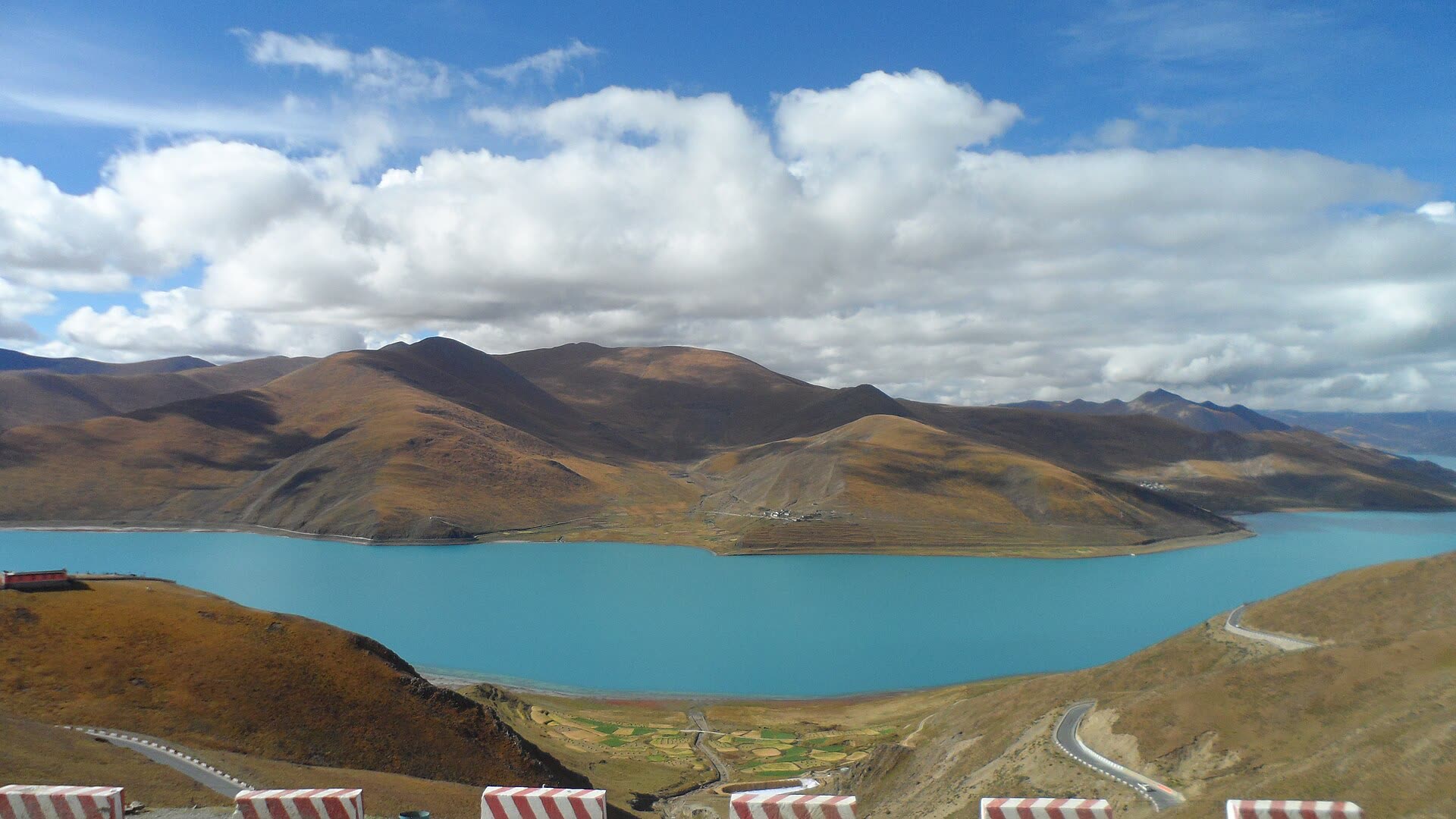
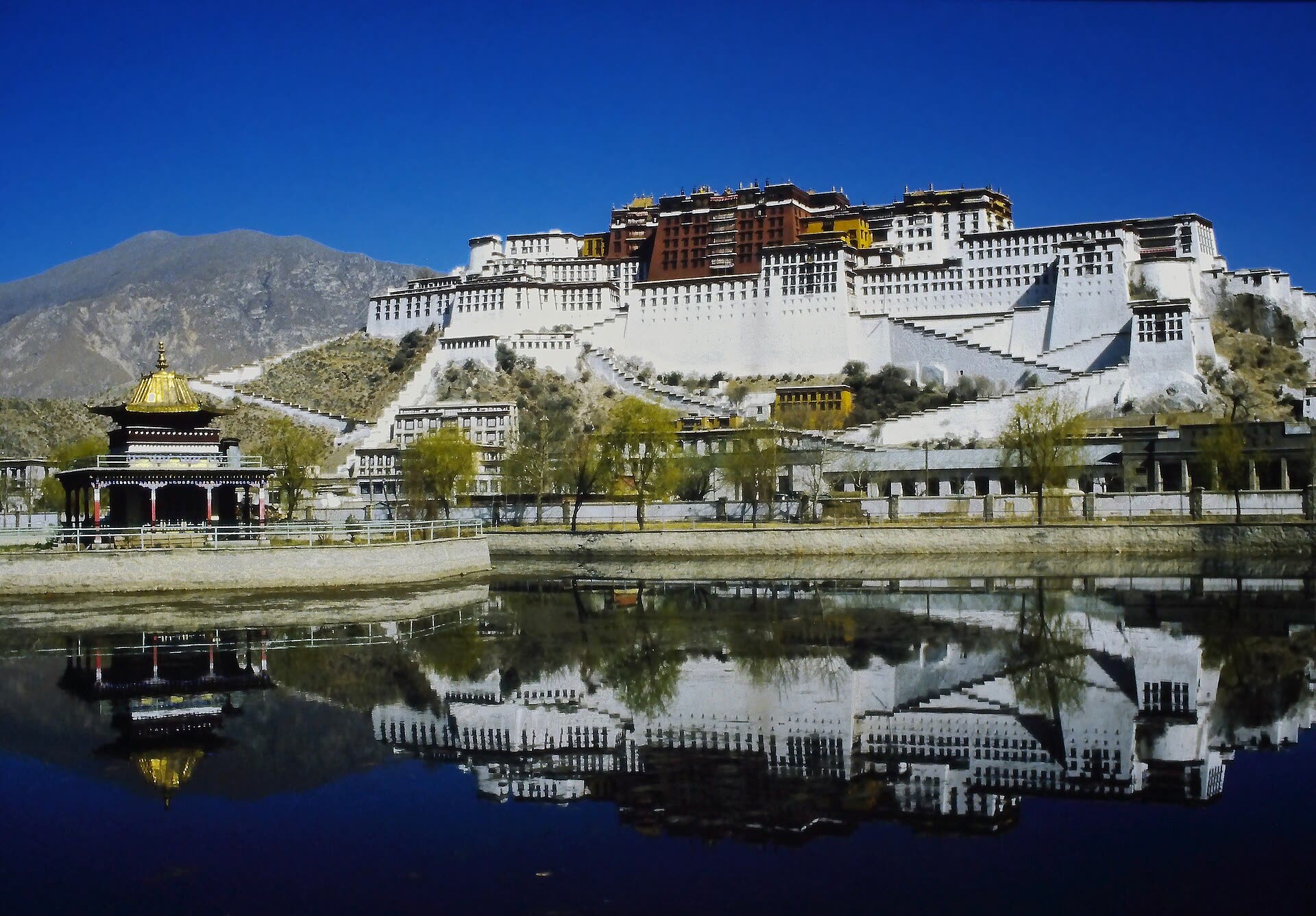
Lhasa sits at about 3,650 m, Shigatse around 3,840 m, Namtso's surface at about 4,700 m, and the Everest direction higher still. Rest well on the first day, avoid strenuous exercise and alcohol, drink plenty of water and eat small, frequent meals. Most people's discomfort eases after one or two days of acclimatisation.

Coping with altitude sickness

Common symptoms are headache, insomnia, loss of appetite and shortness of breath. For mild symptoms, reduce activity, drink water and rest. If severe persistent headache, vomiting, breathing difficulty or confusion occurs, seek medical care promptly and inform the receiving party. Travellers with heart disease, severe hypertension, respiratory conditions or who are pregnant should consult a doctor before departure.

Climate and clothing

The plateau has large day-to-night temperature swings and strong ultraviolet light. Even in summer you need a jacket in the morning and evening; in winter, a down jacket and thermal layers. Bring a hat, sunglasses, sun protection, lip balm and moisturiser, and wear comfortable, non-slip shoes.

What to carry

  • A colour printout of the Tibet Travel Permit and your original passport or travel document.
  • Common medicines and personal prescriptions — enough for the whole trip.
  • A thermos and energy snacks.
  • A power bank and spare memory cards — the plateau scenery drains batteries quickly.

Local customs and etiquette

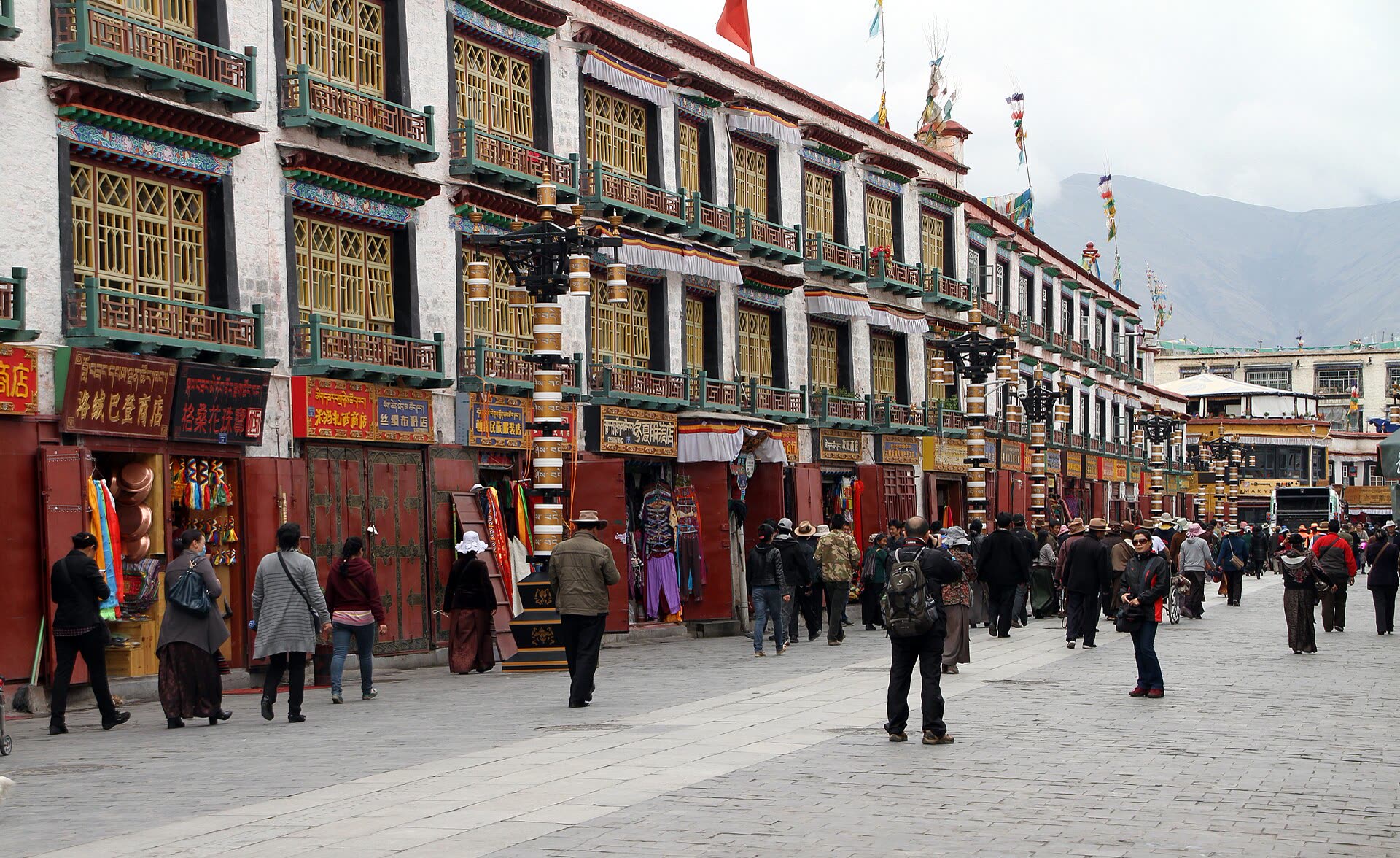
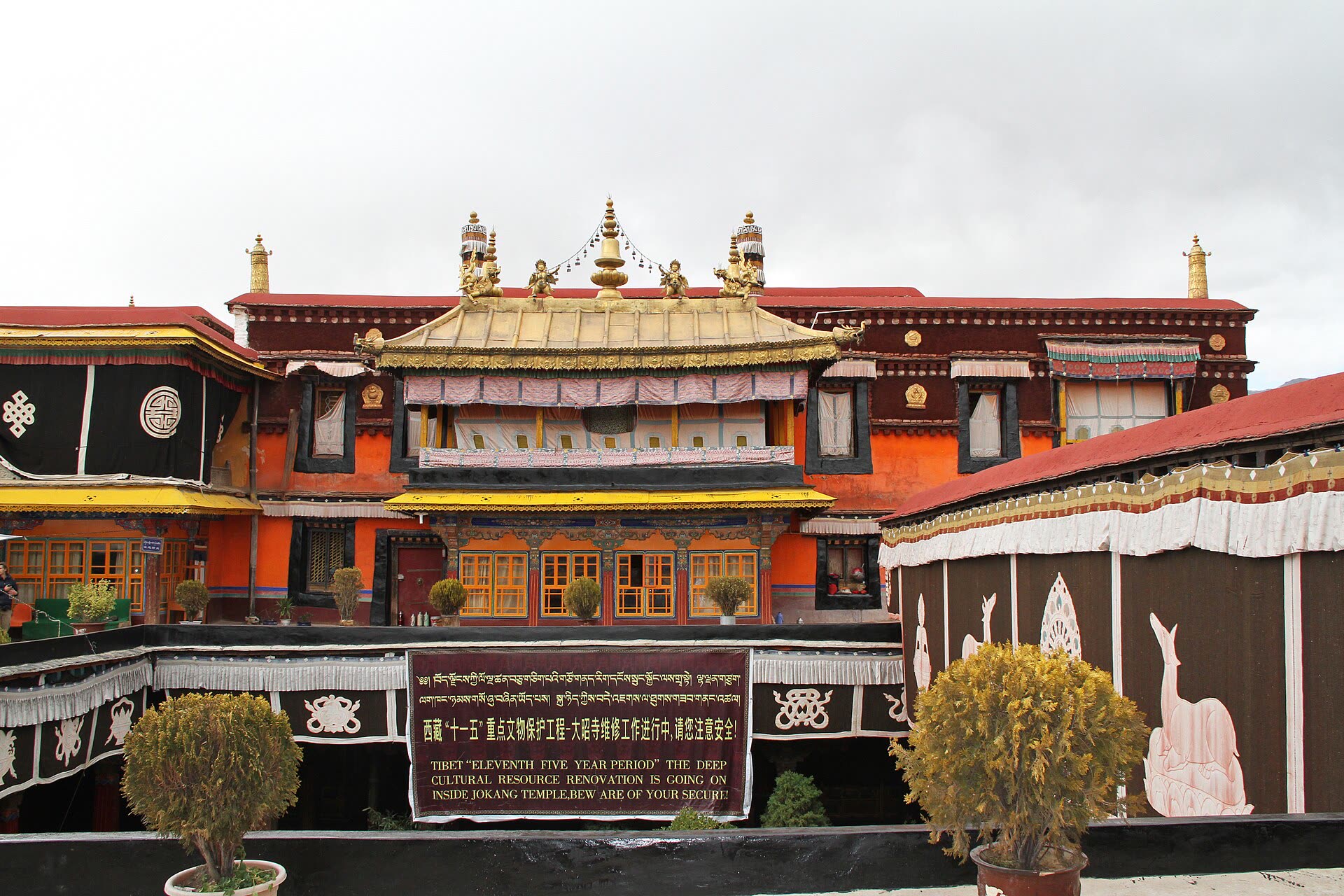
Remove hats, keep quiet and avoid photographing Buddha images or monks without permission inside monasteries. Walk around monasteries, stupas and prayer wheels in a clockwise direction. Do not touch other people's heads. Ask before photographing local residents. Respecting local custom makes the journey smoother.

Other reminders

Mobile and internet coverage can be patchy on parts of the plateau, so download offline maps in advance. Keep your documents with you and do not store the permit separately from your passport.
Related Guides

← Previous: Common routes into Tibet and how to plan them Next: Lhasa city guide: seasons, sights, food and stays →
Apply Now More Guides

Related Tickets

FAQ

Do I need travel insurance for Tibet?
Itineraries on the plateau involve long-distance transport and changes in altitude, so travel insurance covering medical care at high altitude and emergency evacuation is recommended. Cover varies by policy — before departure, check that it includes Tibet and any border areas you plan to visit.
Are there health requirements for travelling to Tibet?
The plateau is high in altitude; travellers with heart disease, severe hypertension, respiratory conditions or who are pregnant should consult a doctor before departure. Rest well on the first day, avoid strenuous exercise and alcohol, and drink plenty of water.
Are showers easy to find in Tibet?
Bathhouses exist in Lhasa, Shigatse, Nyingchi, Tsetang, Gyantse and Nagqu, and star-rated hotels usually have en-suite hot water, while guesthouses are more basic. On arrival it is better to bathe less or not at all until you have adjusted, to avoid catching a chill or using up energy.
What is the accommodation like in Tibet?
Lhasa and Shigatse offer hotels and guesthouses at a range of levels. Outside the main towns, accommodation is mostly simple guesthouses where hot water and power can be unreliable. Book ahead in peak season; options are fewer in border areas.
Customer Service
Online · Instant reply
×
Leave a message