Altitude and acclimatisation
Lhasa sits at about 3,650 m, Shigatse around 3,840 m, Namtso's surface at about 4,700 m, and the Everest direction higher still. Rest well on the first day, avoid strenuous exercise and alcohol, drink plenty of water and eat small, frequent meals. Most people's discomfort eases after one or two days of acclimatisation.
Coping with altitude sickness
Common symptoms are headache, insomnia, loss of appetite and shortness of breath. For mild symptoms, reduce activity, drink water and rest. If severe persistent headache, vomiting, breathing difficulty or confusion occurs, seek medical care promptly and inform the receiving party. Travellers with heart disease, severe hypertension, respiratory conditions or who are pregnant should consult a doctor before departure.
Climate and clothing
The plateau has large day-to-night temperature swings and strong ultraviolet light. Even in summer you need a jacket in the morning and evening; in winter, a down jacket and thermal layers. Bring a hat, sunglasses, sun protection, lip balm and moisturiser, and wear comfortable, non-slip shoes.
What to carry
- A colour printout of the Tibet Travel Permit and your original passport or travel document.
- Common medicines and personal prescriptions — enough for the whole trip.
- A thermos and energy snacks.
- A power bank and spare memory cards — the plateau scenery drains batteries quickly.
Local customs and etiquette
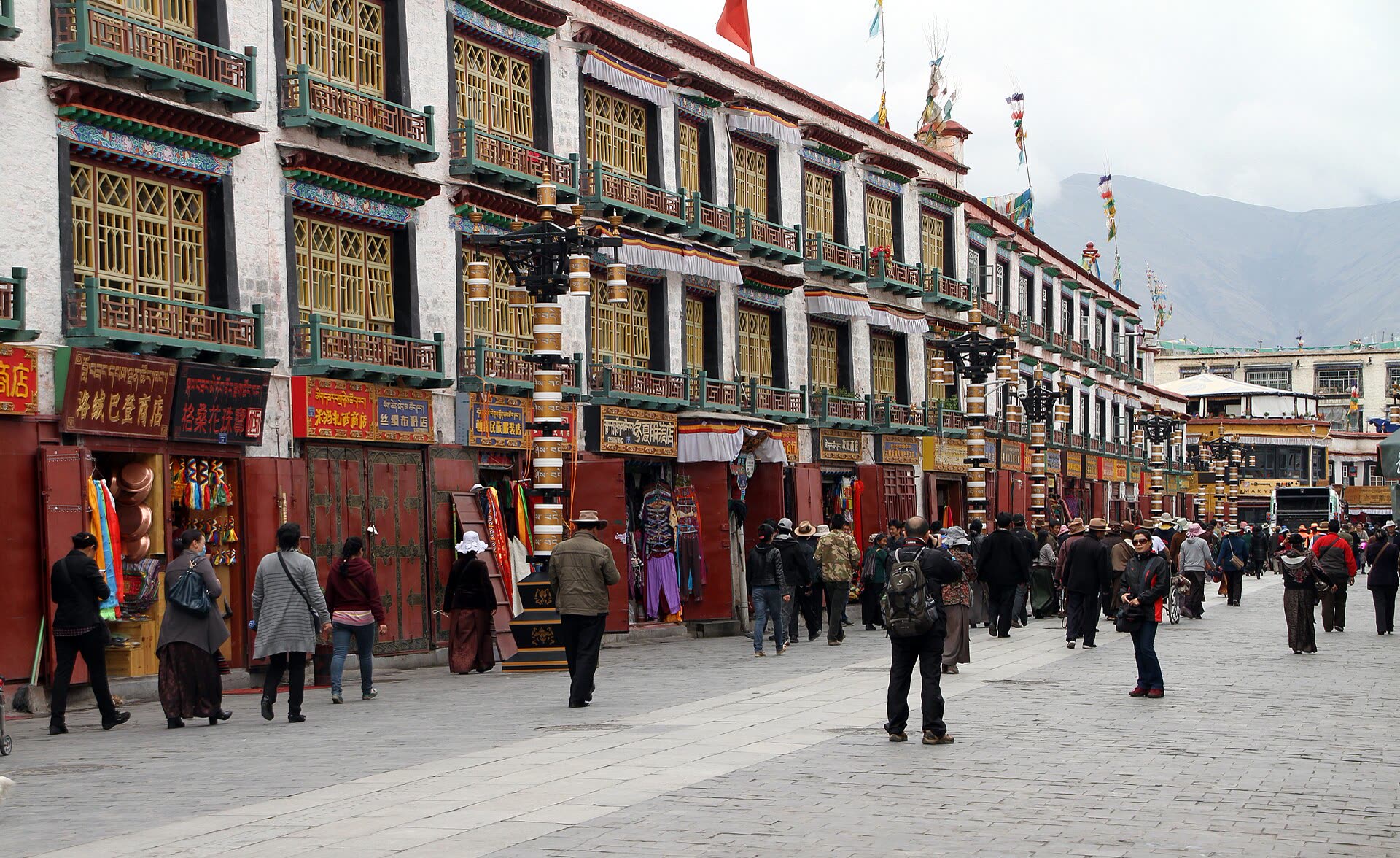
Remove hats, keep quiet and avoid photographing Buddha images or monks without permission inside monasteries. Walk around monasteries, stupas and prayer wheels in a clockwise direction. Do not touch other people's heads. Ask before photographing local residents. Respecting local custom makes the journey smoother.
Other reminders
Mobile and internet coverage can be patchy on parts of the plateau, so download offline maps in advance. Keep your documents with you and do not store the permit separately from your passport.